


Magaan na Concrete Additives | Mga Ahente ng Bubula na Mahusay ang Pagganap para sa Cellular Concrete


MGA PARAMETER NG PRODUKTO
Paglalarawan
Introduction to Hydroxypropyl Methyl Cellulose HPMC Used in Production of Honeycomb Ceramics
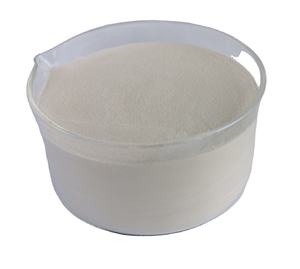
Hydroxypropyl Methylcellulose (HPMC), na ang Chinese na pangalan ay hydroxypropyl methylcellulose, ay isang semi-synthetic, non-ionic cellulose eter na nakuha sa pamamagitan ng chemically modifying natural cellulose. Ang puting pulbos na ito ay maaaring bumuo ng isang transparent na malapot na solusyon pagkatapos matunaw sa tubig. Ito ay may mahusay na pampalapot, pagpapanatili ng tubig, katatagan at mga katangian ng pagbuo ng pelikula. Ito ay isang kailangang-kailangan na multifunctional additive sa maraming larangan tulad ng konstruksiyon.
Characteristics and advantages of Hydroxypropyl Methyl Cellulose HPMC Used in Production of Honeycomb Ceramics
Napakahusay na solubility sa tubig: Maaari itong mabilis na matunaw sa malamig na tubig upang bumuo ng isang malinaw at matatag na solusyon.
Mahusay na pampalapot at kakayahan sa pagpapanatili ng tubig: Dagdagan ang lagkit ng materyal, epektibong bawasan ang pagsingaw ng tubig, at pagbutihin ang kahusayan sa trabaho.
Magandang katatagan: Ito ay may mahusay na katatagan sa mga acid, alkalis, at mga asin, at angkop para sa malawak na hanay ng mga halaga ng pH.
Mga epekto sa pagbuo ng pelikula at proteksyon: Pagkatapos matuyo, ito ay bumubuo ng isang matigas at transparent na pelikula upang protektahan ang substrate at maiwasan ang pagtagos ng tubig at pagsingaw.
Non-toxic at hindi nakakairita: Ito ay may mahusay na biocompatibility at angkop para sa mga larangan ng medisina at pagkain.
Pagsasaayos: Sa pamamagitan ng pagbabago ng antas ng pagpapalit at molekular na timbang, ang pagganap nito ay maaaring iakma upang matugunan ang iba't ibang mga kinakailangan sa aplikasyon.

Specifications of Hydroxypropyl Methyl Cellulose HPMC Used in Production of Honeycomb Ceramics
Specifications of Hydroxypropyl Methyl Cellulose (HPMC) for Honeycomb Ceramic Manufacturing
Key Physical and Chemical Characteristics
Tingnan mo: White to beige, malayang dumadaloy na pulbos. No noticeable impurities.
Bit Dimension: Passes through a 100-mesh screen (≥ 95% retained). Makes certain consistent blending and constant extrusion habits.
Methoxy Web content: 19– 24%. Controls thermal decomposition rate throughout binder exhaustion.
Hydroxypropoxy Material: 4– 12%. Enhances water retention and environment-friendly strength of ceramic bodies.
Lagkit (2% solution at 20 ° C): 4,000– 100,000 mPa · s. Picked based on extrusion needs– reduced thickness for high-speed developing, higher for complicated geometries.
pH (2% liquid solution): 5.0– 8.0. Neutral variety prevents unwanted reactions with ceramic basic materials.
Wetness Content: ≤ 5.0% (by loss on drying out at 105 ° C). Reduced dampness guarantees secure storage space and predictable efficiency.
nilalaman ng Ash Web: ≤ 5.0%. Decreases deposit after natural fatigue, maintaining pore framework and wall integrity.
Performance in Porcelain Handling
HPMC acts as a momentary binder in honeycomb ceramic production. It gives plasticity during extrusion and maintains form before shooting. The polymer decays easily in between 200 ° C at 400 ° C without leaving carbon down payments. This clean burnout is critical for attaining high porosity and reduced stress drop in final filters or catalyst sustains. Water solubility allows simple consolidation into aqueous ceramic slurries. Good film-forming capacity boosts environment-friendly toughness, lowering damage throughout handling and drying. Batch-to-batch consistency in thickness and alternative levels guarantees reliable extrusion rates and dimensional accuracy of the honeycomb framework.
Suppliers choose HPMC qualities based upon wall density, cell thickness, and production rate. Fine-tuned specs help prevent problems like cracks, bending, or blocked channels. Appropriate diffusion in the mix prevents jumble and ensures even distribution throughout the ceramic body.
Applications of Hydroxypropyl Methyl Cellulose HPMC Used in Production of Honeycomb Ceramics
Applications of Hydroxypropyl Methyl Cellulose (HPMC) in Honeycomb Ceramic Manufacturing
Binding and Forming Support
Hydroxypropyl methyl cellulose (HPMC) plays a vital function in making honeycomb ceramics. It serves as an organic binder during the developing phase. When combined with ceramic powders like cordierite or alumina, HPMC assists hold particles together. This offers the environment-friendly body enough stamina to keep its shape before firing. Nang walang HPMC, the framework can break or break conveniently during handling.
Regulated Water Retention
HPMC holds water well. This property slows down drying and prevents fast wetness loss. Rapid drying out usually causes cracks or bending in ceramic components. Sa HPMC, water leaves the material evenly. That brings about uniform contraction and fewer problems in the final product.
Lubrication During Extrusion
Honeycomb porcelains are generally made by extrusion. HPMC functions as a lubricant in the mix. It minimizes friction in between ceramic fragments and the die wall surface. This makes extrusion smoother and helps create clean, consistent channels. The outcome is a much more accurate honeycomb structure with also wall thickness.
Fatigue Habits
HPMC wears out easily during the shooting procedure. It leaves little to no ash behind. This is important since remaining carbon or residue can obstruct pores or deteriorate the ceramic. A full and tidy fatigue guarantees high porosity and solid mechanical efficiency in the completed component.
Improved Green Stamina
The addition of HPMC increases the green strength of unfired ceramics. Employees can handle, reduce, or examine parts without damage. Better eco-friendly strength additionally supports automation in assembly line. This reduces waste and elevates total return.
Profile ng Kumpanya
Kami ang pandaigdigang nangunguna sa magaan na kongkreto at advanced engineered foam solution. Kilala sa buong mundo para sa kanyang pangako sa pananaliksik, pagbabago, at inilapat na kadalubhasaan, nagbibigay kami ng mga engineered foam solution mula noong unang bahagi ng 2012.
Makakapagbigay kami ng de-kalidad na kongkretong admixture at mga produktong nauugnay sa foam concrete sa buong mundo.
Ang kumpanya ay may isang propesyonal na departamentong teknikal at departamento ng pangangasiwa ng kalidad, isang mahusay na kagamitang laboratoryo, at nilagyan ng advanced na kagamitan sa pagsubok at after-sales customer service center.
Kung interesado ka, mangyaring huwag mag-atubiling at makipag-ugnayan sa amin.
Pagbabayad
T/T, Western Union, Paypal, Credit Card atbp.
Pagpapadala
Sa pamamagitan ng hangin, sa pamamagitan ng dagat, sa pamamagitan ng express, bilang kahilingan ng mga customer.
5 FAQs of Hydroxypropyl Methyl Cellulose HPMC Used in Production of Honeycomb Ceramics
Frequently Asked Questions About HPMC in Honeycomb Ceramic Production
What is HPMC and why is it used in honeycomb ceramics?
Ang HPMC ay kumakatawan sa Hydroxypropyl Methyl Cellulose. It is a water-soluble polymer added to ceramic mixtures. In honeycomb ceramic production, HPMC acts as a binder. It helps hold ceramic particles together before firing. This improves green strength and reduces cracking during drying.
How does HPMC affect the extrusion process?
HPMC makes the ceramic paste smoother and more uniform. It increases viscosity just enough to support shaping without blocking the die. The material flows steadily through the extruder, forming clean, consistent honeycomb channels. Nang walang HPMC, the paste may tear or collapse.
Does HPMC leave any residue after firing?
Hindi. HPMC burns out completely during the firing stage. It decomposes at temperatures between 200°C and 400°C. After full sintering, no carbon or ash remains. The final ceramic structure stays pure and porous, as required for filters or catalyst supports.
What grade of HPMC should be used?
Use a medium-viscosity grade with good thermal stability. Low-viscosity types may not bind well. High-viscosity types can make extrusion hard. The right grade ensures easy processing and strong green bodies. Always match HPMC specifications to your ceramic formulation and firing schedule.
Can too much HPMC cause problems?
Oo. Adding too much HPMC slows drying and may trap moisture. This leads to bloating or cracks during firing. Excess HPMC also raises organic content, which can create smoke or uneven burnout. Stick to recommended dosages—usually 1% sa 3% by weight of dry solids.
HUMILING NG QUOTE
MGA KAUGNAY NA PRODUKTO

Construction Chemical Cellulose Hydroxypropyl Methyl Cellulose HPMC for Dry Mortar
factory hydroxyethyl cellulose hec hpmc mhec powder for gypsum powder

oilfield chemicals/ textile finishing agent/water retention agent HPMC
2024Hydroxypropyl methylcellulose Hpmc/rdp/starch ether cement thickener for factory construction in

Construction chemical Hydroxypropyl methyl cellulose HPMC for Ceramic tile adhesive
