


Nga Whakapiri Raima Maamaa | Nga Kaipupuhi Hukarere Mahinga Nui mo te Raima Pukoro


NGA TAATA HUA
Whakaahuatanga
Introduction to Hydroxypropyl Methyl Cellulose HPMC Used in Production of Honeycomb Ceramics
Hydroxypropyl Methylcellulose (HPMC), ko tona ingoa Hainamana ko te hydroxypropyl methylcellulose, he mea hangarua, Ko te etera cellulose kore katote i whiwhi ma te whakarereke matū i te cellulose taiao. Ka taea e tenei paura ma te hanga i te wairewa maamaa marama i muri i te rewa ki te wai. He tino pai te matotoru, pupuri wai, pūmautanga me ngā āhuatanga hanga kiriata. He taapiri taapiri tino nui i roto i nga waahanga maha penei i te hanga.
Characteristics and advantages of Hydroxypropyl Methyl Cellulose HPMC Used in Production of Honeycomb Ceramics
Te wairewa tino pai: Ka tere te memeha i roto i te wai matao kia puta he otinga maamaa me te pumau.
Te kaha ki te whakamaroke me te pupuri wai: Whakanuia te viscosity o te rauemi, pai te whakaiti i te whakaetonga wai, me te whakapai ake i te pai o te mahi.
He pai te pumau: He pai te pumau ki nga waikawa, kawakore, me nga tote, a he pai mo te whānuitanga o nga uara pH.
Te hanga kiriata me nga paanga whakamarumaru: I muri i te whakamaroke, hanga he kiriata uaua me te marama ki te tiaki i te tïpako me te aukati i te kuhu o te wai me te whakaetonga.
Kore paitini me te kore whakapouri: He pai te koiora me te pai mo nga mara rongoa me te kai.
Te whakatikatika: Ma te huri i te tohu whakakapinga me te taumaha ngota, ka taea te whakatika i tana mahi ki te whakatutuki i nga whakaritenga tono rereke.

Specifications of Hydroxypropyl Methyl Cellulose HPMC Used in Production of Honeycomb Ceramics
Specifications of Hydroxypropyl Methyl Cellulose (HPMC) for Honeycomb Ceramic Manufacturing
Key Physical and Chemical Characteristics
Titiro: White to beige, paura rere noa. No noticeable impurities.
Ahu Moka: Ka haere ma te mata 100-mata (≥ 95% retained). Makes certain consistent blending and constant extrusion habits.
Te ihirangi Tukutuku Methoxy: 19– 24%. Controls thermal decomposition rate throughout binder exhaustion.
Rauemi Hydroxypropoxy: 4– 12%. Enhances water retention and environment-friendly strength of ceramic bodies.
Poneke (2% otinga i 20 ° C): 4,000– 100,000 mPa · s. Picked based on extrusion needs– reduced thickness for high-speed developing, higher for complicated geometries.
pH (2% wairewa wai): 5.0– 8.0. Neutral variety prevents unwanted reactions with ceramic basic materials.
Ihirangi Maku: ≤ 5.0% (by loss on drying out at 105 ° C). Reduced dampness guarantees secure storage space and predictable efficiency.
Paetukutuku Ash: ≤ 5.0%. Decreases deposit after natural fatigue, maintaining pore framework and wall integrity.
Performance in Porcelain Handling
HPMC acts as a momentary binder in honeycomb ceramic production. It gives plasticity during extrusion and maintains form before shooting. The polymer decays easily in between 200 ° C me 400 ° C without leaving carbon down payments. This clean burnout is critical for attaining high porosity and reduced stress drop in final filters or catalyst sustains. Water solubility allows simple consolidation into aqueous ceramic slurries. Good film-forming capacity boosts environment-friendly toughness, lowering damage throughout handling and drying. Batch-to-batch consistency in thickness and alternative levels guarantees reliable extrusion rates and dimensional accuracy of the honeycomb framework.
Suppliers choose HPMC qualities based upon wall density, cell thickness, and production rate. Fine-tuned specs help prevent problems like cracks, piko, or blocked channels. Appropriate diffusion in the mix prevents jumble and ensures even distribution throughout the ceramic body.
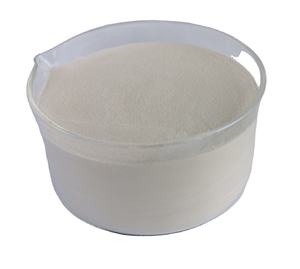
Applications of Hydroxypropyl Methyl Cellulose HPMC Used in Production of Honeycomb Ceramics
Nga tono mo te Hydroxypropyl Methyl Cellulose (HPMC) in Honeycomb Ceramic Manufacturing
Binding and Forming Support
Hydroxypropyl methyl cellulose (HPMC) plays a vital function in making honeycomb ceramics. It serves as an organic binder during the developing phase. When combined with ceramic powders like cordierite or alumina, HPMC assists hold particles together. This offers the environment-friendly body enough stamina to keep its shape before firing. Te kore HPMC, the framework can break or break conveniently during handling.
Regulated Water Retention
He pai te pupuri a HPMC i te wai. This property slows down drying and prevents fast wetness loss. Rapid drying out usually causes cracks or bending in ceramic components. Ma te HPMC, water leaves the material evenly. That brings about uniform contraction and fewer problems in the final product.
Lubrication During Extrusion
Honeycomb porcelains are generally made by extrusion. HPMC functions as a lubricant in the mix. It minimizes friction in between ceramic fragments and the die wall surface. This makes extrusion smoother and helps create clean, consistent channels. The outcome is a much more accurate honeycomb structure with also wall thickness.
Fatigue Habits
HPMC wears out easily during the shooting procedure. It leaves little to no ash behind. This is important since remaining carbon or residue can obstruct pores or deteriorate the ceramic. A full and tidy fatigue guarantees high porosity and solid mechanical efficiency in the completed component.
Improved Green Stamina
The addition of HPMC increases the green strength of unfired ceramics. Employees can handle, whakaiti, or examine parts without damage. Better eco-friendly strength additionally supports automation in assembly line. This reduces waste and elevates total return.
Kōtaha Kamupene
Ko matou te kaihautu o te ao mo nga raima maamaa me nga otinga pahuka i hangaia. E mohiotia ana puta noa i te ao mo tana pono ki te rangahau, auahatanga, me te tohungatanga tono, kua whakaratohia e matou he otinga pahuka i hangaia mai i te timatanga o te tau 2012.
Ka taea e matou te whakarato i te whakauru raima kounga teitei me nga hua e pa ana ki te raima pahuka puta noa i te ao.
Ko te kamupene he tari hangarau ngaio me te tari tirotiro kounga, he taiwhanga pai rawa atu, me nga taputapu whakamatautau matatau me te pokapū ratonga kaihoko muri-hoko.
Mena kei te hiahia koe, tēnā koa whakapā mai ki a mātou.
Utu
T/T, Western Union, Paypal, Kaari nama etc.
Tukunga
Ma te hau, ma te moana, mā te whakapuaki, kia rite ki te tono a nga kaihoko.
5 FAQs of Hydroxypropyl Methyl Cellulose HPMC Used in Production of Honeycomb Ceramics
Frequently Asked Questions About HPMC in Honeycomb Ceramic Production
What is HPMC and why is it used in honeycomb ceramics?
Ko te HPMC te tu mo Hydroxypropyl Methyl Cellulose. It is a water-soluble polymer added to ceramic mixtures. In honeycomb ceramic production, Ko te HPMC te mahi hei here. It helps hold ceramic particles together before firing. This improves green strength and reduces cracking during drying.
How does HPMC affect the extrusion process?
HPMC makes the ceramic paste smoother and more uniform. It increases viscosity just enough to support shaping without blocking the die. The material flows steadily through the extruder, forming clean, consistent honeycomb channels. Te kore HPMC, the paste may tear or collapse.
Does HPMC leave any residue after firing?
Kao. HPMC burns out completely during the firing stage. It decomposes at temperatures between 200°C and 400°C. After full sintering, no carbon or ash remains. The final ceramic structure stays pure and porous, as required for filters or catalyst supports.
What grade of HPMC should be used?
Use a medium-viscosity grade with good thermal stability. Low-viscosity types may not bind well. High-viscosity types can make extrusion hard. The right grade ensures easy processing and strong green bodies. Always match HPMC specifications to your ceramic formulation and firing schedule.
He nui rawa te HPMC ka raru?
Ae. Adding too much HPMC slows drying and may trap moisture. This leads to bloating or cracks during firing. Excess HPMC also raises organic content, which can create smoke or uneven burnout. Stick to recommended dosages—usually 1% ki 3% i te taimaha o te totoka maroke.
TONO HE KORERO
HUA HUA
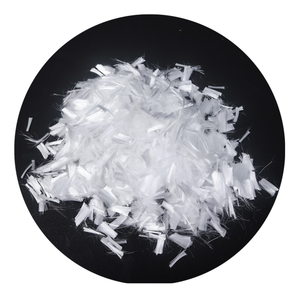
hydroxypropyl methylcellulose 200000 cps thickener hpmc cellulose hypromellose paura
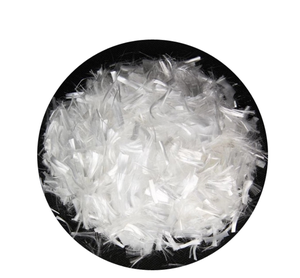
2024 Building Materials Water Resistant Putty Use HPMC Customized Viscosity Available

CERAMIC Rauemi Tohu Ahumahi Hydroxyethyl Methyl Cellulose Etera Hydroxypropyl Methyl Cellulose HPMC
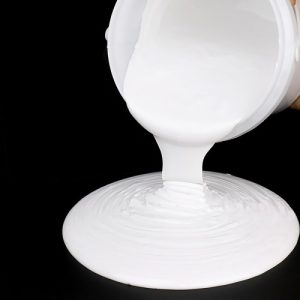
Hpmc Koeke Ahumahi Hydroxypropyl Methyl Cellulose HPMC Te Viscosity Teitei He rite ki te Tylose

Hydroxypropyl Methyl Cellulose HPMC 200000 Te hokohoko mo te Tile Glue
