Zowonjezera Konkire Zopepuka | Zida Zapamwamba Zotulutsa thovu pa Ma Cellular Concrete


PRODUCT PARAMETERS
Kufotokozera
Introduction to Hydroxypropyl Methyl Cellulose HPMC Used in Production of Honeycomb Ceramics
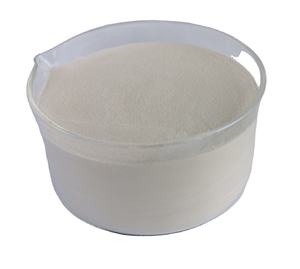
Hydroxypropyl methylcellulose (Mtengo wa HPMC), dzina lachi China ndi hydroxypropyl methylcellulose, ndi semisynthetic, non-ionic cellulose ether yopezedwa ndi kusintha kwachilengedwe mapadi. Izi ufa woyera ukhoza kupanga mandala viscous njira pambuyo Kutha m'madzi. Ili ndi makulidwe abwino kwambiri, kusunga madzi, kukhazikika ndi kupanga mafilimu. Ndichofunikira chowonjezera chamagulu ambiri m'magawo ambiri monga zomangamanga.
Characteristics and advantages of Hydroxypropyl Methyl Cellulose HPMC Used in Production of Honeycomb Ceramics
Wabwino madzi kusungunuka: Ikhoza kusungunuka mwamsanga m'madzi ozizira kuti ipange yankho lomveka bwino komanso lokhazikika.
Kukhuthala koyenera komanso kuthekera kosunga madzi: Wonjezerani kukhuthala kwa zinthu, bwino kuchepetsa madzi evaporation, ndi kupititsa patsogolo luso la ntchito.
Kukhazikika kwabwino: Ili ndi kukhazikika kwa ma acid, alkalis, ndi mchere, ndipo ndi yoyenera pamitundu yambiri ya pH.
Kupanga mafilimu ndi zoteteza: Pambuyo kuyanika, imapanga filimu yolimba komanso yowonekera kuti iteteze gawo lapansi ndikuletsa kulowa kwa madzi ndi kutuluka.
Zopanda poizoni komanso zosakwiyitsa: Ili ndi biocompatibility yabwino ndipo ndiyoyenera minda yamankhwala ndi chakudya.
Kusintha: Mwa kusintha mlingo wa m'malo ndi maselo kulemera, ntchito yake ikhoza kusinthidwa kuti ikwaniritse zofunikira zosiyanasiyana.

Specifications of Hydroxypropyl Methyl Cellulose HPMC Used in Production of Honeycomb Ceramics
Mafotokozedwe a Hydroxypropyl Methyl Cellulose (Mtengo wa HPMC) for Honeycomb Ceramic Manufacturing
Zofunikira Zathupi ndi Mankhwala
Penyani!: White mpaka beige, ufa wopanda pake. No noticeable impurities.
Bit Dimension: Imadutsa pazenera la 100-mesh (≥ 95% retained). Makes certain consistent blending and constant extrusion habits.
Zomwe zili pa intaneti ya Methoxy: 19– 24%. Controls thermal decomposition rate throughout binder exhaustion.
Hydroxypropoxy Material: 4– 12%. Enhances water retention and environment-friendly strength of ceramic bodies.
Viscosity (2% solution pa 20 °C): 4,000– 100,000 mPa · s. Picked based on extrusion needs– reduced thickness for high-speed developing, higher for complicated geometries.
pH (2% njira yamadzimadzi): 5.0– 8.0. Neutral variety prevents unwanted reactions with ceramic basic materials.
Kunyowa Kwambiri: ≤ 5.0% (by loss on drying out at 105 °C). Reduced dampness guarantees secure storage space and predictable efficiency.
Zolemba za Ash Web: ≤ 5.0%. Decreases deposit after natural fatigue, maintaining pore framework and wall integrity.
Performance in Porcelain Handling
HPMC acts as a momentary binder in honeycomb ceramic production. It gives plasticity during extrusion and maintains form before shooting. The polymer decays easily in between 200 °C ndi 400 ° C without leaving carbon down payments. This clean burnout is critical for attaining high porosity and reduced stress drop in final filters or catalyst sustains. Water solubility allows simple consolidation into aqueous ceramic slurries. Good film-forming capacity boosts environment-friendly toughness, lowering damage throughout handling and drying. Batch-to-batch consistency in thickness and alternative levels guarantees reliable extrusion rates and dimensional accuracy of the honeycomb framework.
Suppliers choose HPMC qualities based upon wall density, cell thickness, and production rate. Fine-tuned specs help prevent problems like cracks, kupinda, or blocked channels. Appropriate diffusion in the mix prevents jumble and ensures even distribution throughout the ceramic body.
Applications of Hydroxypropyl Methyl Cellulose HPMC Used in Production of Honeycomb Ceramics
Kugwiritsa ntchito Hydroxypropyl Methyl Cellulose (Mtengo wa HPMC) in Honeycomb Ceramic Manufacturing
Binding and Forming Support
Hydroxypropyl methyl cellulose (Mtengo wa HPMC) plays a vital function in making honeycomb ceramics. It serves as an organic binder during the developing phase. When combined with ceramic powders like cordierite or alumina, HPMC assists hold particles together. This offers the environment-friendly body enough stamina to keep its shape before firing. Popanda HPMC, the framework can break or break conveniently during handling.
Regulated Water Retention
HPMC holds water well. This property slows down drying and prevents fast wetness loss. Rapid drying out usually causes cracks or bending in ceramic components. Ndi HPMC, water leaves the material evenly. That brings about uniform contraction and fewer problems in the final product.
Lubrication During Extrusion
Honeycomb porcelains are generally made by extrusion. HPMC functions as a lubricant in the mix. It minimizes friction in between ceramic fragments and the die wall surface. This makes extrusion smoother and helps create clean, consistent channels. The outcome is a much more accurate honeycomb structure with also wall thickness.
Fatigue Habits
HPMC wears out easily during the shooting procedure. It leaves little to no ash behind. This is important since remaining carbon or residue can obstruct pores or deteriorate the ceramic. A full and tidy fatigue guarantees high porosity and solid mechanical efficiency in the completed component.
Improved Green Stamina
The addition of HPMC increases the green strength of unfired ceramics. Employees can handle, kuchepetsa, or examine parts without damage. Better eco-friendly strength additionally supports automation in assembly line. This reduces waste and elevates total return.
Mbiri Yakampani
Ndife mtsogoleri wapadziko lonse lapansi mu konkire yopepuka komanso mayankho apamwamba a thovu. Amadziwika padziko lonse lapansi chifukwa chodzipereka kuchita kafukufuku, luso, ndi ukatswiri wogwiritsa ntchito, takhala tikupereka mayankho opangidwa ndi thovu kuyambira koyambirira kwa 2012.
Titha kupereka zosakaniza za konkire zapamwamba kwambiri komanso zinthu zokhudzana ndi konkriti ya thovu padziko lonse lapansi.
Kampaniyo ili ndi dipatimenti yaukadaulo yaukadaulo komanso dipatimenti yoyang'anira khalidwe, labotale yokhala ndi zida zokwanira, ndi okonzeka ndi zipangizo kuyezetsa patsogolo ndi pambuyo-malonda malo utumiki kasitomala.
Ngati muli ndi chidwi, chonde khalani omasuka ndikulumikizana nafe.
Malipiro
T/T, Western Union, Paypal, Credit Card etc.
Kutumiza
Ndi mpweya, panyanja, pa express, monga amapempha makasitomala.
5 FAQs of Hydroxypropyl Methyl Cellulose HPMC Used in Production of Honeycomb Ceramics
Frequently Asked Questions About HPMC in Honeycomb Ceramic Production
What is HPMC and why is it used in honeycomb ceramics?
HPMC imayimira Hydroxypropyl Methyl Cellulose. It is a water-soluble polymer added to ceramic mixtures. In honeycomb ceramic production, HPMC imagwira ntchito ngati chomangira. It helps hold ceramic particles together before firing. This improves green strength and reduces cracking during drying.
How does HPMC affect the extrusion process?
HPMC makes the ceramic paste smoother and more uniform. It increases viscosity just enough to support shaping without blocking the die. The material flows steadily through the extruder, forming clean, consistent honeycomb channels. Popanda HPMC, the paste may tear or collapse.
Does HPMC leave any residue after firing?
Ayi. HPMC burns out completely during the firing stage. It decomposes at temperatures between 200°C and 400°C. After full sintering, no carbon or ash remains. The final ceramic structure stays pure and porous, as required for filters or catalyst supports.
What grade of HPMC should be used?
Use a medium-viscosity grade with good thermal stability. Low-viscosity types may not bind well. High-viscosity types can make extrusion hard. The right grade ensures easy processing and strong green bodies. Always match HPMC specifications to your ceramic formulation and firing schedule.
Kuchuluka kwa HPMC kungayambitse mavuto?
Inde. Adding too much HPMC slows drying and may trap moisture. This leads to bloating or cracks during firing. Excess HPMC also raises organic content, which can create smoke or uneven burnout. Stick to recommended dosages—usually 1% ku 3% ndi kulemera kwa zolimba zouma.
PEMBANI MFUNDO
ZOKHUDZANA NAZO

tylose hpmc hidroxipropil metilcelul methocel mankhwala wothandizira cellulose cellulose etha cps 200000 hpmc kwa detergent
Hydroxypropyl Methyl Cellulose HPMC ya Drymix Mortar
Hydroxypropyl Methyl Cellulose HPMC
Factory Supply Chemical Auxiliary Agent Hydroxypropyl Methyl Cellulose HPMC
Hydroxypropyl Methyl Cellulose HPMC Powder Tile Adhesives High viscosity Detergent Thickener for Mortar