


לייטווייט באַטאָנען אַדאַטיווז | הויך-פאָרשטעלונג פאָומינג אַגענץ פֿאַר סעליאַלער באַטאָנען


פּראָדוקט פּאַראַמעטערס
באַשרייַבונג
Introduction to Hydroxypropyl Methyl Cellulose HPMC Used in Production of Honeycomb Ceramics
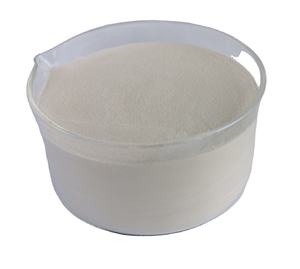
הידראָקסיפּראָפּיל מעטהילסעללולאָסע (HPMC), וועמענס כינעזיש נאָמען איז הידראָקסיפּראָפּיל מעטהילסעללולאָסע, איז אַ האַלב-סינטעטיש, ניט-יאָניק סעליאַלאָוס יטער באקומען דורך כעמיש מאַדאַפייינג נאַטירלעך סעליאַלאָוס. דעם ווייַס פּודער קענען פאָרעם אַ טראַנספּעראַנט וויסקאַס לייזונג נאָך דיסאַלושאַן אין וואַסער. עס האט ויסגעצייכנט טיקנינג, וואַסער ריטענשאַן, פעסטקייַט און פילם-פאָרמינג פּראָפּערטיעס. עס איז אַ ינדיספּענסאַבאַל מולטיפונקטיאָנאַל אַדאַטיוו אין פילע פעלדער אַזאַ ווי קאַנסטראַקשאַן.
Characteristics and advantages of Hydroxypropyl Methyl Cellulose HPMC Used in Production of Honeycomb Ceramics
ויסגעצייכנט וואַסער סאָלוביליטי: עס קענען זיין געשווינד צעלאָזן אין קאַלט וואַסער צו פאָרעם אַ קלאָר און סטאַביל לייזונג.
עפעקטיוו טיקנינג און וואַסער ריטענשאַן פיייקייַט: פאַרגרעסערן די וויסקאָסיטי פון דעם מאַטעריאַל, יפעקטיוולי רעדוצירן וואַסער יוואַפּעריישאַן, און פֿאַרבעסערן אַרבעט עפעקטיווקייַט.
גוט פעסטקייַט: עס האט גוט פעסטקייַט צו אַסאַדז, אַלקאַליס, און סאָלץ, און איז פּאַסיק פֿאַר אַ ברייט קייט פון ף וואַלועס.
פילם-פאָרמינג און פּראַטעקטיוו יפעקץ: נאָך דרייינג, עס פארמען אַ האַרט און טראַנספּעראַנט פילם צו באַשיצן די סאַבסטרייט און פאַרמייַדן וואַסער דורכדרונג און יוואַפּעריישאַן.
ניט-טאַקסיק און ניט-יראַטייטינג: עס האט גוט ביאָקאָמפּאַטיביליטי און איז פּאַסיק פֿאַר די פעלד פון מעדיצין און עסנוואַרג.
אַדדזשוסטאַביליטי: דורך טשאַנגינג דער גראַד פון סאַבסטיטושאַן און מאָלעקולאַר וואָג, זייַן פאָרשטעלונג קענען זיין אַדזשאַסטיד צו טרעפן פאַרשידענע אַפּלאַקיישאַנז.

Specifications of Hydroxypropyl Methyl Cellulose HPMC Used in Production of Honeycomb Ceramics
ספּעסאַפאַקיישאַנז פון הידראָקסיפּראָפּיל מעטהיל סעללולאָסע (HPMC) for Honeycomb Ceramic Manufacturing
Key Physical and Chemical Characteristics
קוק: ווייַס צו בייזש, פֿרייַ-פלאָוינג פּודער. No noticeable impurities.
ביסל ויסמעסטונג: Passes through a 100-mesh screen (≥ 95% retained). Makes certain consistent blending and constant extrusion habits.
Methoxy Web content: 19– 24%. Controls thermal decomposition rate throughout binder exhaustion.
הידראָקסיפּראָפּאָקסי מאַטעריאַל: 4– 12%. Enhances water retention and environment-friendly strength of ceramic bodies.
וויסקאָסיטי (2% לייזונג בייַ 20 ° סי): 4,000– 100,000 mPa · s. Picked based on extrusion needs– reduced thickness for high-speed developing, higher for complicated geometries.
ף (2% פליסיק לייזונג): 5.0– 8.0. Neutral variety prevents unwanted reactions with ceramic basic materials.
נאַס אינהאַלט: ≤ 5.0% (by loss on drying out at 105 ° סי). Reduced dampness guarantees secure storage space and predictable efficiency.
אַש וועב אינהאַלט: ≤ 5.0%. Decreases deposit after natural fatigue, maintaining pore framework and wall integrity.
Performance in Porcelain Handling
HPMC acts as a momentary binder in honeycomb ceramic production. It gives plasticity during extrusion and maintains form before shooting. The polymer decays easily in between 200 ° C און 400 ° C without leaving carbon down payments. This clean burnout is critical for attaining high porosity and reduced stress drop in final filters or catalyst sustains. Water solubility allows simple consolidation into aqueous ceramic slurries. Good film-forming capacity boosts environment-friendly toughness, lowering damage throughout handling and drying. Batch-to-batch consistency in thickness and alternative levels guarantees reliable extrusion rates and dimensional accuracy of the honeycomb framework.
Suppliers choose HPMC qualities based upon wall density, cell thickness, and production rate. Fine-tuned specs help prevent problems like cracks, בייגן, or blocked channels. Appropriate diffusion in the mix prevents jumble and ensures even distribution throughout the ceramic body.
Applications of Hydroxypropyl Methyl Cellulose HPMC Used in Production of Honeycomb Ceramics
אַפּפּליקאַטיאָנס פון הידראָקסיפּראָפּיל מעטהיל סעללולאָסע (HPMC) in Honeycomb Ceramic Manufacturing
Binding and Forming Support
הידראָקסיפּראָפּיל מעטהיל סעליאַלאָוס (HPMC) plays a vital function in making honeycomb ceramics. It serves as an organic binder during the developing phase. When combined with ceramic powders like cordierite or alumina, HPMC assists hold particles together. This offers the environment-friendly body enough stamina to keep its shape before firing. אָן HPMC, the framework can break or break conveniently during handling.
Regulated Water Retention
HPMC holds water well. This property slows down drying and prevents fast wetness loss. Rapid drying out usually causes cracks or bending in ceramic components. מיט HPMC, water leaves the material evenly. That brings about uniform contraction and fewer problems in the final product.
Lubrication During Extrusion
Honeycomb porcelains are generally made by extrusion. HPMC functions as a lubricant in the mix. It minimizes friction in between ceramic fragments and the die wall surface. This makes extrusion smoother and helps create clean, consistent channels. The outcome is a much more accurate honeycomb structure with also wall thickness.
Fatigue Habits
HPMC wears out easily during the shooting procedure. It leaves little to no ash behind. This is important since remaining carbon or residue can obstruct pores or deteriorate the ceramic. A full and tidy fatigue guarantees high porosity and solid mechanical efficiency in the completed component.
Improved Green Stamina
The addition of HPMC increases the green strength of unfired ceramics. Employees can handle, רעדוצירן, or examine parts without damage. Better eco-friendly strength additionally supports automation in assembly line. This reduces waste and elevates total return.
פירמע פּראָפיל
מיר זענען די גלאבאלע פירער אין לייטווייט באַטאָנען און אַוואַנסירטע ענדזשאַנירד פּינע סאַלושאַנז. באַוווסט גלאָובאַלי פֿאַר זיין היסכייַוועס צו פאָרשונג, כידעש, און געווענדט עקספּערטיז, מיר האָבן פּראַוויידינג ענדזשאַנירד פּינע סאַלושאַנז זינט די פרי 2012 ס.
מיר קענען צושטעלן הויך-קוואַליטעט באַטאָנען אַדמיקסטשער און פּינע באַטאָנען פֿאַרבונדענע פּראָדוקטן איבער די וועלט.
די פירמע האט אַ פאַכמאַן טעכניש אָפּטיילונג און קוואַליטעט השגחה אָפּטיילונג, אַ געזונט יקוויפּט לאַבאָראַטאָריע, און יקוויפּט מיט אַוואַנסירטע טעסטינג ויסריכט און נאָך-סאַלעס קונה דינסט צענטער.
אויב איר זענט אינטערעסירט, ביטע פילן פריי און קאָנטאַקט אונדז.
צאָלונג
ג / ה, מערב יוניאַן, פּייַפּאַל, קרעדיט קארד וכו'.
טראַנספּאָרט
דורך לופט, דורך ים, דורך עקספּרעסס, ווי קאַסטאַמערז בעטן.
5 FAQs of Hydroxypropyl Methyl Cellulose HPMC Used in Production of Honeycomb Ceramics
Frequently Asked Questions About HPMC in Honeycomb Ceramic Production
What is HPMC and why is it used in honeycomb ceramics?
HPMC שטייט פֿאַר Hydroxypropyl Methyl Cellulose. It is a water-soluble polymer added to ceramic mixtures. In honeycomb ceramic production, HPMC אקטן ווי אַ בינדער. It helps hold ceramic particles together before firing. This improves green strength and reduces cracking during drying.
How does HPMC affect the extrusion process?
HPMC makes the ceramic paste smoother and more uniform. It increases viscosity just enough to support shaping without blocking the die. The material flows steadily through the extruder, forming clean, consistent honeycomb channels. אָן HPMC, the paste may tear or collapse.
Does HPMC leave any residue after firing?
ניין. HPMC burns out completely during the firing stage. It decomposes at temperatures between 200°C and 400°C. After full sintering, no carbon or ash remains. The final ceramic structure stays pure and porous, as required for filters or catalyst supports.
What grade of HPMC should be used?
Use a medium-viscosity grade with good thermal stability. Low-viscosity types may not bind well. High-viscosity types can make extrusion hard. The right grade ensures easy processing and strong green bodies. Always match HPMC specifications to your ceramic formulation and firing schedule.
קענען צו פיל HPMC גרונט פּראָבלעמס?
יא. Adding too much HPMC slows drying and may trap moisture. This leads to bloating or cracks during firing. Excess HPMC also raises organic content, which can create smoke or uneven burnout. Stick to recommended dosages—usually 1% צו 3% by weight of dry solids.
בעטן אַ ציטירן
פֿאַרבונדענע פּראָדוקטן

טייל קלעפּיק 200000 MPAS הידראָקסיפּראָפּיל מעטהיל סעללולאָסע פּודער יטער HPMC פֿאַר קיט

פּיינט טהיקקענער הידראָקסיפּראָפּיל מעטהיל סעללולאָסע HPMC HEC KelloCel צו פאַרבייַטן Walocel XM 40000 פּוו פֿאַר עמולסיאָן קאָאַטינגס

הידראָקסיפּראָפּיל מעטהילסעללולאָסע HPMC / פֿאַר סעראַמיק קאַכל קלעפּיק / מאָרטער / קיט / סעראַמיק קאַכל פּאַפּ 9004-65-3

Competitive Hydroxypropyl Methyl Cellulose HPMC with High Viscosity Thickening and Water Retention
פאַבריק גאַנץ קאַנסטראַקשאַן הידראָקסיפּראָפּיל מעטהיל סעללולאָסע המקק קאַפּסאַלז כעמישער טהיקענינג אַדאַטיווז
