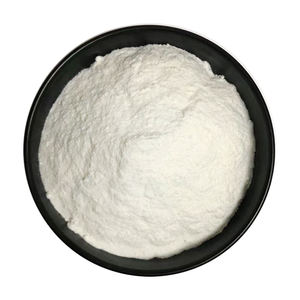
Malpezaj Konkretaj Aldonaĵoj | Alt-Efikecaj Ŝaŭmaj Agentoj por Ĉela Betono


PRODUCT PARAMETROJ
Priskribo
Introduction to Hydroxypropyl Methyl Cellulose HPMC Used in Production of Honeycomb Ceramics
Hidroksipropil-metilcelulozo (HPMC), kies ĉina nomo estas hidroksipropilmetilcelulozo, estas duonsinteza, ne-jona celuloza etero akirita per kemie modifado de natura celulozo. Ĉi tiu blanka pulvoro povas formi travideblan viskozan solvon post solvado en akvo. Ĝi havas bonegan dikiĝon, reteno de akvo, stabileco kaj filmoformaj propraĵoj. Ĝi estas nemalhavebla multfunkcia aldonaĵo en multaj kampoj kiel konstruo.
Characteristics and advantages of Hydroxypropyl Methyl Cellulose HPMC Used in Production of Honeycomb Ceramics
Bonega akvosolvebleco: Ĝi povas esti rapide solvita en malvarma akvo por formi klaran kaj stabilan solvon.
Efika kapablo de dikiĝo kaj reteno de akvo: Pliigu la viskozecon de la materialo, efike redukti akvovaporiĝon, kaj plibonigi laborefikecon.
Bona stabileco: Ĝi havas bonan stabilecon al acidoj, alkaloj, kaj saloj, kaj taŭgas por larĝa gamo de pH-valoroj.
Filmformaj kaj protektaj efikoj: Post sekiĝo, ĝi formas malmolan kaj travideblan filmon por protekti la substraton kaj malhelpi akvopenetron kaj vaporiĝon.
Ne-toksa kaj ne-irita: Ĝi havas bonan biokongruecon kaj taŭgas por la kampoj de medicino kaj manĝaĵo.
Alĝustigebleco: Ŝanĝante la gradon de anstataŭigo kaj molekula pezo, ĝia agado povas esti ĝustigita por renkonti malsamajn aplikajn postulojn.

Specifications of Hydroxypropyl Methyl Cellulose HPMC Used in Production of Honeycomb Ceramics
Specifoj de Hydroxypropyl Metil Celulozo (HPMC) for Honeycomb Ceramic Manufacturing
Ŝlosilaj Fizikaj kaj Kemiaj Karakterizaĵoj
Rigardu: Blanka al flavgriza, liberflua pulvoro. No noticeable impurities.
Bita Dimensio: Trapasas 100-mesh ekranon (≥ 95% retained). Makes certain consistent blending and constant extrusion habits.
Methoxy Reteja enhavo: 19– 24%. Controls thermal decomposition rate throughout binder exhaustion.
Hidroksipropoksia Materialo: 4– 12%. Enhances water retention and environment-friendly strength of ceramic bodies.
Viskozeco (2% solvo ĉe 20 °C): 4,000– 100,000 mPa · s. Picked based on extrusion needs– reduced thickness for high-speed developing, higher for complicated geometries.
pH (2% likva solvaĵo): 5.0– 8.0. Neutral variety prevents unwanted reactions with ceramic basic materials.
Malsekeco Enhavo: ≤ 5.0% (by loss on drying out at 105 °C). Reduced dampness guarantees secure storage space and predictable efficiency.
Ash Web enhavo: ≤ 5.0%. Decreases deposit after natural fatigue, maintaining pore framework and wall integrity.
Performance in Porcelain Handling
HPMC acts as a momentary binder in honeycomb ceramic production. It gives plasticity during extrusion and maintains form before shooting. The polymer decays easily in between 200 °C kaj 400 ° C without leaving carbon down payments. This clean burnout is critical for attaining high porosity and reduced stress drop in final filters or catalyst sustains. Water solubility allows simple consolidation into aqueous ceramic slurries. Good film-forming capacity boosts environment-friendly toughness, lowering damage throughout handling and drying. Batch-to-batch consistency in thickness and alternative levels guarantees reliable extrusion rates and dimensional accuracy of the honeycomb framework.
Suppliers choose HPMC qualities based upon wall density, cell thickness, and production rate. Fine-tuned specs help prevent problems like cracks, fleksante, or blocked channels. Appropriate diffusion in the mix prevents jumble and ensures even distribution throughout the ceramic body.
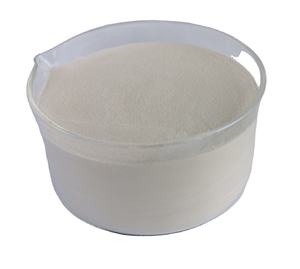
Applications of Hydroxypropyl Methyl Cellulose HPMC Used in Production of Honeycomb Ceramics
Aplikoj de Hidroksipropil Metil Celulozo (HPMC) in Honeycomb Ceramic Manufacturing
Binding and Forming Support
Hidroksipropilmetilcelulozo (HPMC) plays a vital function in making honeycomb ceramics. It serves as an organic binder during the developing phase. When combined with ceramic powders like cordierite or alumina, HPMC assists hold particles together. This offers the environment-friendly body enough stamina to keep its shape before firing. Sen HPMC, the framework can break or break conveniently during handling.
Regulated Water Retention
HPMC bone tenas akvon. This property slows down drying and prevents fast wetness loss. Rapid drying out usually causes cracks or bending in ceramic components. Kun HPMC, water leaves the material evenly. That brings about uniform contraction and fewer problems in the final product.
Lubrication During Extrusion
Honeycomb porcelains are generally made by extrusion. HPMC functions as a lubricant in the mix. It minimizes friction in between ceramic fragments and the die wall surface. This makes extrusion smoother and helps create clean, consistent channels. The outcome is a much more accurate honeycomb structure with also wall thickness.
Fatigue Habits
HPMC wears out easily during the shooting procedure. It leaves little to no ash behind. This is important since remaining carbon or residue can obstruct pores or deteriorate the ceramic. A full and tidy fatigue guarantees high porosity and solid mechanical efficiency in the completed component.
Improved Green Stamina
The addition of HPMC increases the green strength of unfired ceramics. Employees can handle, redukti, or examine parts without damage. Better eco-friendly strength additionally supports automation in assembly line. This reduces waste and elevates total return.
Kompanio Profilo
Ni estas la tutmonda gvidanto en malpeza betono kaj altnivelaj inĝenieritaj ŝaŭmaj solvoj. Konata tutmonde pro sia engaĝiĝo al esplorado, novigado, kaj aplikata kompetenteco, ni provizas inĝenierajn ŝaŭmajn solvojn ekde la fruaj 2012-aj jaroj.
Ni povas provizi altkvalitan betonan miksaĵon kaj ŝaŭman betonajn rilatajn produktojn tra la tuta mondo.
La kompanio havas profesian teknikan fakon kaj superkvalitan fakon, bone ekipita laboratorio, kaj ekipita per altnivela testa ekipaĵo kaj post-venda klientserva centro.
Se vi interesiĝas, bonvolu senti vin libera kaj kontakti nin.
Pago
T/T, Okcidenta Unio, Paypal, Kreditkarto ktp.
Sendo
Per aero, per maro, per ekspreso, kiel klientoj petas.
5 FAQs of Hydroxypropyl Methyl Cellulose HPMC Used in Production of Honeycomb Ceramics
Frequently Asked Questions About HPMC in Honeycomb Ceramic Production
Kio estas HPMC kaj kial ĝi estas uzata en kahela ceramiko?
HPMC signifas Hidroksipropilmetilcelulozon. It is a water-soluble polymer added to ceramic mixtures. En mielĉela ceramika produktado, HPMC funkcias kiel ligilo. It helps hold ceramic particles together before firing. This improves green strength and reduces cracking during drying.
How does HPMC affect the extrusion process?
HPMC makes the ceramic paste smoother and more uniform. It increases viscosity just enough to support shaping without blocking the die. The material flows steadily through the extruder, forming clean, consistent honeycomb channels. Sen HPMC, the paste may tear or collapse.
Does HPMC leave any residue after firing?
Ne. HPMC burns out completely during the firing stage. It decomposes at temperatures between 200°C and 400°C. After full sintering, no carbon or ash remains. The final ceramic structure stays pure and porous, as required for filters or catalyst supports.
What grade of HPMC should be used?
Use a medium-viscosity grade with good thermal stability. Low-viscosity types may not bind well. High-viscosity types can make extrusion hard. The right grade ensures easy processing and strong green bodies. Always match HPMC specifications to your ceramic formulation and firing schedule.
Tro da HPMC povas kaŭzi problemojn?
Jes. Adding too much HPMC slows drying and may trap moisture. This leads to bloating or cracks during firing. Excess HPMC also raises organic content, which can create smoke or uneven burnout. Stick to recommended dosages—usually 1% al 3% laŭ pezo de sekaj solidoj.
PETU KITTON
RELATAJ PRODUTOJ
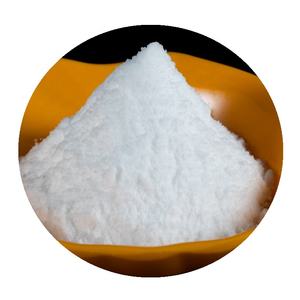
Factory Direct s Celuloza Hidroksipropil Metil Celulozo HPMC 200000 por Pakistan Market Low
Konstrua Kemia HPMC ZC200000cps Ekvivalenta al Mecelozo, Walocel, Natrosolo, Methocel, Tylose. mech
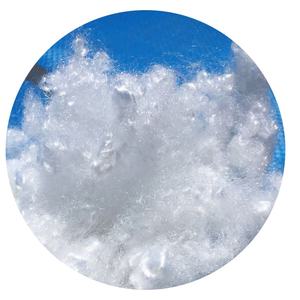
Rekti tuta bonega norma hpmc tapeto hidroponie metilcelulozo hpmc

Celulozo HPMC por cemento
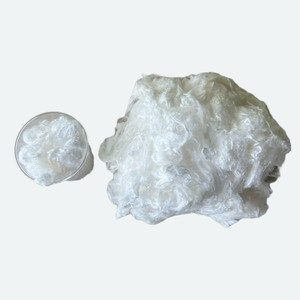
HPMC por Gipsobazaj Gipso-Aldonaĵoj HPMC Hidroksipropila Metil Celulozo Kun Alta Akva Retena Kemia Pulvoro HPMC