


Phụ gia bê tông nhẹ | Chất tạo bọt hiệu suất cao cho bê tông di động


THÔNG SỐ SẢN PHẨM
Sự miêu tả
Introduction to Hydroxypropyl Methyl Cellulose HPMC Used in Production of Honeycomb Ceramics
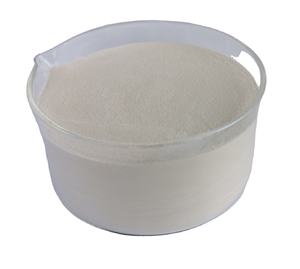
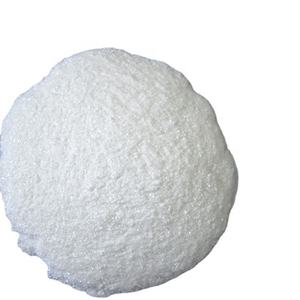
Hydroxypropyl Methylcellulose (HPMC), có tên tiếng Trung là hydroxypropyl methylcellulose, là bán tổng hợp, ete cellulose không ion thu được bằng cách biến đổi cellulose tự nhiên về mặt hóa học. Chất bột màu trắng này có thể tạo thành dung dịch nhớt trong suốt sau khi hòa tan trong nước. Nó có độ dày tuyệt vời, giữ nước, Tính ổn định và tạo màng. Là phụ gia đa chức năng không thể thiếu trong nhiều lĩnh vực như xây dựng.
Characteristics and advantages of Hydroxypropyl Methyl Cellulose HPMC Used in Production of Honeycomb Ceramics
Độ hòa tan trong nước tuyệt vời: Nó có thể được hòa tan nhanh chóng trong nước lạnh để tạo thành dung dịch trong và ổn định.
Khả năng làm đặc và giữ nước hiệu quả: Tăng độ nhớt của vật liệu, giảm sự bốc hơi nước một cách hiệu quả, và nâng cao hiệu quả công việc.
Ổn định tốt: Nó có tính ổn định tốt với axit, chất kiềm, và muối, và phù hợp với nhiều giá trị pH.
Tác dụng tạo màng và bảo vệ: Sau khi sấy khô, nó tạo thành một lớp màng cứng và trong suốt để bảo vệ bề mặt và ngăn chặn sự xâm nhập và bay hơi của nước.
Không độc hại và không gây kích ứng: Nó có khả năng tương thích sinh học tốt và phù hợp cho lĩnh vực y học và thực phẩm.
Khả năng điều chỉnh: Bằng cách thay đổi mức độ thay thế và trọng lượng phân tử, hiệu suất của nó có thể được điều chỉnh để đáp ứng các yêu cầu ứng dụng khác nhau.

Specifications of Hydroxypropyl Methyl Cellulose HPMC Used in Production of Honeycomb Ceramics
Specifications of Hydroxypropyl Methyl Cellulose (HPMC) for Honeycomb Ceramic Manufacturing
Key Physical and Chemical Characteristics
Nhìn: Trắng đến màu be, bột chảy tự do. No noticeable impurities.
Kích thước bit: Đi qua màn hình 100 lưới (≥ 95% retained). Makes certain consistent blending and constant extrusion habits.
Nội dung trang web Methoxy: 19– 24%. Controls thermal decomposition rate throughout binder exhaustion.
Vật liệu hydroxypropoxy: 4– 12%. Enhances water retention and environment-friendly strength of ceramic bodies.
Độ nhớt (2% giải pháp tại 20 ° C): 4,000– 100,000 mPa · s. Picked based on extrusion needs– reduced thickness for high-speed developing, higher for complicated geometries.
pH (2% dung dịch lỏng): 5.0– 8.0. Neutral variety prevents unwanted reactions with ceramic basic materials.
Nội dung ẩm ướt: ≤ 5.0% (by loss on drying out at 105 ° C). Reduced dampness guarantees secure storage space and predictable efficiency.
Nội dung web tro: ≤ 5.0%. Decreases deposit after natural fatigue, maintaining pore framework and wall integrity.
Performance in Porcelain Handling
HPMC acts as a momentary binder in honeycomb ceramic production. It gives plasticity during extrusion and maintains form before shooting. The polymer decays easily in between 200 ° C và 400 ° C without leaving carbon down payments. This clean burnout is critical for attaining high porosity and reduced stress drop in final filters or catalyst sustains. Water solubility allows simple consolidation into aqueous ceramic slurries. Good film-forming capacity boosts environment-friendly toughness, lowering damage throughout handling and drying. Batch-to-batch consistency in thickness and alternative levels guarantees reliable extrusion rates and dimensional accuracy of the honeycomb framework.
Suppliers choose HPMC qualities based upon wall density, cell thickness, and production rate. Fine-tuned specs help prevent problems like cracks, uốn cong, or blocked channels. Appropriate diffusion in the mix prevents jumble and ensures even distribution throughout the ceramic body.
Applications of Hydroxypropyl Methyl Cellulose HPMC Used in Production of Honeycomb Ceramics
Ứng dụng của Hydroxypropyl Methyl Cellulose (HPMC) in Honeycomb Ceramic Manufacturing
Binding and Forming Support
Hydroxypropyl metyl xenluloza (HPMC) plays a vital function in making honeycomb ceramics. It serves as an organic binder during the developing phase. When combined with ceramic powders like cordierite or alumina, HPMC assists hold particles together. This offers the environment-friendly body enough stamina to keep its shape before firing. không có HPMC, the framework can break or break conveniently during handling.
Regulated Water Retention
HPMC giữ nước tốt. This property slows down drying and prevents fast wetness loss. Rapid drying out usually causes cracks or bending in ceramic components. Với HPMC, water leaves the material evenly. That brings about uniform contraction and fewer problems in the final product.
Lubrication During Extrusion
Honeycomb porcelains are generally made by extrusion. HPMC functions as a lubricant in the mix. It minimizes friction in between ceramic fragments and the die wall surface. This makes extrusion smoother and helps create clean, consistent channels. The outcome is a much more accurate honeycomb structure with also wall thickness.
Fatigue Habits
HPMC wears out easily during the shooting procedure. It leaves little to no ash behind. This is important since remaining carbon or residue can obstruct pores or deteriorate the ceramic. A full and tidy fatigue guarantees high porosity and solid mechanical efficiency in the completed component.
Improved Green Stamina
The addition of HPMC increases the green strength of unfired ceramics. Employees can handle, giảm bớt, or examine parts without damage. Better eco-friendly strength additionally supports automation in assembly line. This reduces waste and elevates total return.
Hồ sơ công ty
Chúng tôi là công ty hàng đầu thế giới về bê tông nhẹ và các giải pháp bọt kỹ thuật tiên tiến. Được biết đến trên toàn cầu nhờ cam kết nghiên cứu, sự đổi mới, và chuyên môn ứng dụng, chúng tôi đã cung cấp các giải pháp bọt kỹ thuật từ đầu năm 2012.
Chúng tôi có thể cung cấp phụ gia bê tông chất lượng cao và các sản phẩm liên quan đến bê tông bọt trên toàn thế giới.
Công ty có bộ phận kỹ thuật chuyên nghiệp và bộ phận giám sát chất lượng, một phòng thí nghiệm được trang bị tốt, và được trang bị thiết bị kiểm tra tiên tiến và trung tâm dịch vụ khách hàng sau bán hàng.
Nếu bạn quan tâm, xin vui lòng liên hệ với chúng tôi.
Sự chi trả
T/T, Công Đoàn Phương Tây, Paypal, Thẻ tín dụng vv.
Lô hàng
Bằng đường hàng không, bằng đường biển, bằng cách thể hiện, như khách hàng yêu cầu.
5 FAQs of Hydroxypropyl Methyl Cellulose HPMC Used in Production of Honeycomb Ceramics
Frequently Asked Questions About HPMC in Honeycomb Ceramic Production
HPMC là gì và tại sao nó được sử dụng trong gốm tổ ong?
HPMC là viết tắt của Hydroxypropyl Methyl Cellulose.. It is a water-soluble polymer added to ceramic mixtures. Trong sản xuất gốm tổ ong, HPMC hoạt động như một chất kết dính. It helps hold ceramic particles together before firing. This improves green strength and reduces cracking during drying.
How does HPMC affect the extrusion process?
HPMC makes the ceramic paste smoother and more uniform. It increases viscosity just enough to support shaping without blocking the die. The material flows steadily through the extruder, forming clean, consistent honeycomb channels. không có HPMC, the paste may tear or collapse.
Does HPMC leave any residue after firing?
KHÔNG. HPMC burns out completely during the firing stage. It decomposes at temperatures between 200°C and 400°C. After full sintering, no carbon or ash remains. The final ceramic structure stays pure and porous, as required for filters or catalyst supports.
What grade of HPMC should be used?
Use a medium-viscosity grade with good thermal stability. Low-viscosity types may not bind well. High-viscosity types can make extrusion hard. The right grade ensures easy processing and strong green bodies. Always match HPMC specifications to your ceramic formulation and firing schedule.
Quá nhiều HPMC có thể gây ra vấn đề không?
Đúng. Adding too much HPMC slows drying and may trap moisture. This leads to bloating or cracks during firing. Excess HPMC also raises organic content, which can create smoke or uneven burnout. Stick to recommended dosages—usually 1% ĐẾN 3% theo khối lượng chất rắn khô.
YÊU CẦU BÁO GIÁ
SẢN PHẨM LIÊN QUAN
hydroxypropyl metyl xenluloza 200000 chất làm đặc cps hpmc cellulose hypromellose bột
ZHENYIBIO Best Supply Industry Grade Chemical Hydroxypropyl Methyl Cellulose HPMC Powder

Chất làm đặc HPMC Hydroxypropyl Methyl Cellulose có độ nhớt cao cho bột trét tường
Hydroxypropyl methyl cellulose HPMC For Tile Adhesive Construction Gypsum plaster and Putty HPMC
Hydroxypropyl Metyl Cellulose HPMC 9004 65 3 Polyme tự nhiên